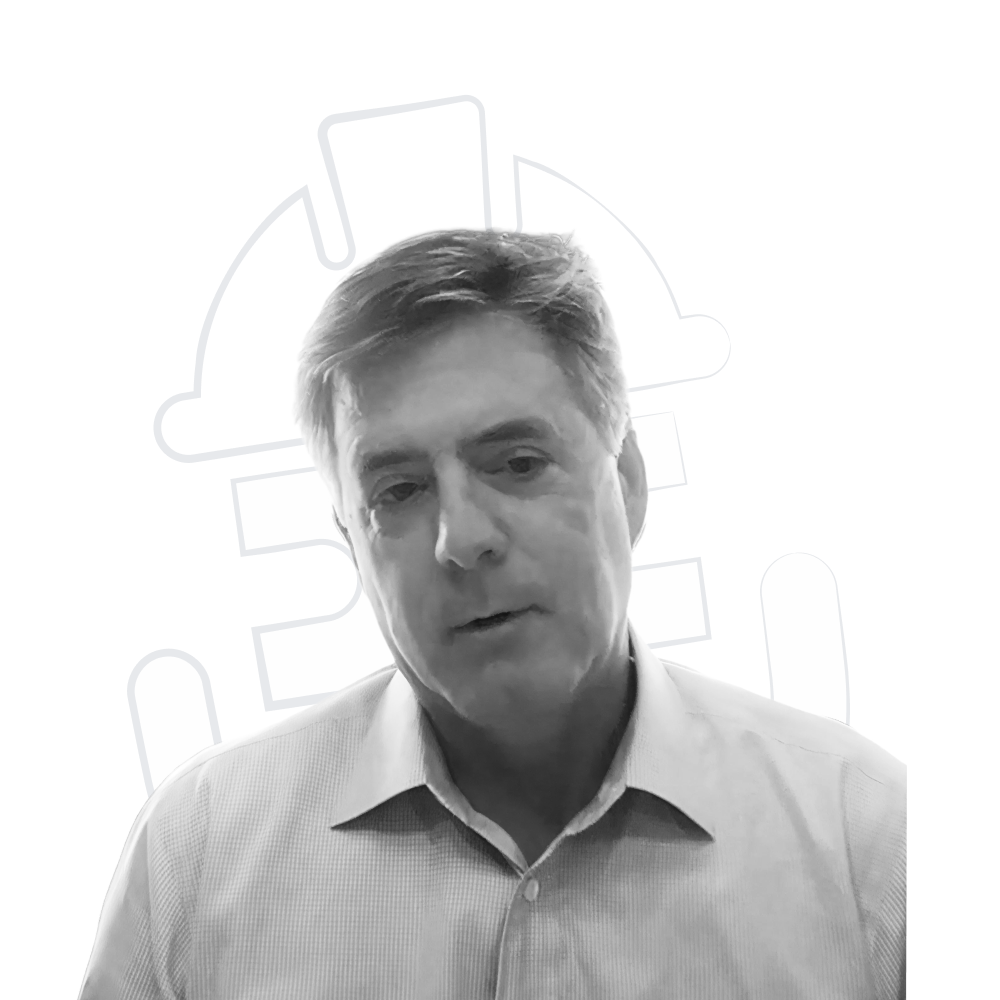
Hari Vasudevan (00:01) Alright, take one here, right? Hopefully just one take. Welcome to a new episode of From Boots to Boardroom. Not every leader sits in a corner office. From Boots to Boardroom shares the journey of those who power America. From the job site to the boardroom, leading with grit, tenacity, empathy and vision. I think we a new sponsor today, right? I we have a guy with multiple companies, but But still, today's episode is sponsored by KYRO AI, digitized work and maximized profits. For more information, visit kyro.ai. All right, today we have a super special guest, a great friend of mine. Today's guest is Stephen Day. Stephen has a bachelor's from Indiana, University's Kelly School of Business with a concentration in accounting. and MBA from â“ University of Chicago's Booth School of Business with a concentration in finance and international business. Steven has worked in Deloitte, Goldman Sachs, Bear Stearns. Most importantly, he's a serial entrepreneur. He's a phenomenal investment banker, â“ one of the best in business from Navidar. â“ He is also the co-founder of Veta Nell. Phenomenal candles, fantastic candles. We love them. Armour Excavating, which is doing some heroic work here in Texas, in Kerr County, helping people recover from the devastating storms from a few weeks ago. Steven is a man of many hobbies. I mean, I kind of reached out, unknowing to him, to his lovely wife, Susan. I know this. He loves dirt bikes, street bikes. RVs, he's sitting in his RV as we speak. ATVs, politics, I also know this really well, so we'll get into this on his â“ rapid fire questions. He loves baking cookies, I want the 10 different types of cookies you bake. Apparently he loves attending weddings and funerals. And he loves cleaning and maintaining stuff. He loves to maintain. really strong relationships which I also do know that with a wide variety of people and he loves land restoration. So Stephen Day, welcome to the show! Stephen Day (02:36) Thank you, Horray. It's nice to be here. Appreciate that introduction. You did go behind my back there and got some inside information I can tell. Hari Vasudevan (02:38) Awesome, awesome. Yes, I did. Yes, I did. All right. So, know, Stephen, for the listeners of the show here, right? I know the focus of the show is, you know, helping people in Kerr County recover from the flood damage, right? Can you give a little bit of your origin story so that we can help people connect the dots? Stephen Day (03:09) Sure. So with respect to the flood on July 4th in Kerr County, as most people have read, it was a devastating event. Some people described it as a one in 50 year floods or a one in 100 year flood. And so it was devastating to the community. We lost a lot of lives, including children. And it's not just in Kerr County, but throughout central Texas, there was other affected areas as well. Our business, Armour Excavating, happens to be based in Kerr County, so that's where our effort has been. But the outpouring of support has just been overwhelming. Everything from the basic supplies that have been needed in terms of food and water and clothing to financial support. Community Foundation, I believe, has raised a hundred million dollars. There's many other millions of dollars raised by other organizations throughout â“ the Kerr County area to help people with financial assistance. And then of course we had many, many volunteers who came in with equipment to help with the search and rescue. And of course we were involved in that as well. So armour excavating was on the river within 24 hours with our employees, with our equipment, where we were volunteering for weeks in the search and rescue effort. Now we've turned to the cleanup effort and I believe that we're one of the only local contractors that have been hired to support one of the two large national brands who is in town working on the cleanup in large scale. So that's the background of how armour got involved in the flood and in the search and rescue and now the rebuilding. of Kerr County. Hari Vasudevan (04:42) Awesome, awesome. So, you know, thanks for helping the listeners understand the extent of damage and whatnot, right? So let's take step back. I really want to get a feel for where it all got started for Stephen Day, right? I know you grew up in a farm in Indiana. Give a super brief overview of where you got started and, you know, your life story a in a short snapshot, if you will. â“ Stephen Day (05:08) Yeah, sure. grew up in rural Indiana. I grew up on an 80 acre farm and I went to Indiana University for my accounting degree and that really launched my business career. Then in 1988, I moved to Chicago where I joined Deloitte working on public accounting â“ audits. And then that â“ really â“ put me into the finance role when I joined as assistant treasurer in a company called Whitman Corporation where I learned all the finance roles. That's where I met investment bankers. That's what sparked my interest and passion for investment banking. I went to University of Chicago where I got my MPA and then when I graduated in 96 two great things happened. The first one I got married to my wife Susan of almost 30 years now and then the second thing is I launched my investment banking career and I've been doing the same thing for almost 30 years focusing on the technology industry. From there I had the good fortune to work at Goldman Sachs where I ran the global IT services group. I was also co-head of the global software group so I ran two of their largest groups. So that was a phenomenal experience. I learned a lot. I really loved my time at Goldman Sachs. learned a lot from the partners there. â“ Bear Stearns was really the first time I began to address that entrepreneurial itch, if you will. â“ Bear Stearns was behind in the technology investment banking business. They wanted to catch up. So they were hiring â“ other bankers and leaders on Wall Street to come and help build the group. And so that's kind of my first opportunity to build a group â“ from the ground up. And I was running the software group there and focusing on that. And we did a lot of great deals there. And that just continued. just stoked the entrepreneurial interest and so I was fortunate enough to leave Bearish Terns before the Great Meltdown and fortunate or unfortunate I started my own investment banking firm in the Meltdown. So that was a very trying time to start during the downtime. We kept telling ourselves that FedEx started during the Great Recession in the early 70s and they survived and we would too. So we just kept plying forward. But 2009 and 2010 were very tough years to start a bank. In 2011 we got our first investment banking fee and we off the ground and we've been doing the same thing. So Navidar is a technology investment banking firm focusing primarily on mergers and acquisitions and capital raising. And so that's one of my primary businesses today. Hari Vasudevan (07:20) Yeah, yeah, no, awesome. And you also obviously co-founded Vetanel, the phenomenal luxury candles, right? Do you want to, I really want to know how you got into it. I know it has something to do with your grandmother, name of your grandmother. I would love to really know more about it. Stephen Day (07:26) Yes. Yes. Yes. Well, Susan and I were looking to start another business that would be more of a consumer product based business and not based upon intellectual capital. Navidar is a very IP based business. It's a journeyman business. You learn the trade by working in industry. It's much more difficult to train and scale that type of business. And so we were looking to start other businesses like Armour Excavating, â“ where you can bring in a team and have a team of leaders run the business and grow and scale them. And so we were looking for something new and Susan and I were out on a Saturday afternoon outing to Frederick Texas and we just came across this idea as we were shopping up and down the street that you know hey there's no real luxury candle in the marketplace designed for gift giving so it's the first luxury candle that's designed for personal gifting or corporate gifting and as you know we appreciate your use of the candle as a corporate gift it's very well received your company Bank of America Accenture Chase and a number of other companies have have used this â“ candle as a gift. It's very well liked by real estate agents. â“ that's kind where the idea came from. Broadly, it's something that we wanted to do. We saw a niche in the market. There's a large growing segment of the candle business that's focused on higher end, higher quality. And we decided just to take that and take it one step higher. So that's the naming of the company. Vita now came after my grandmother, â“ my father's side. My grandmother was an amazing woman. She was a single mother. â“ and lived through some difficult times, but she was an amazingly graceful, generous, very warm, loving person. She a big supporter of our family. So, you know, backing up for one moment, all of our businesses are mission oriented. So for example, Armour Excavating supports the mission of veterans. Navidar supports the mission of young students and entrepreneurs, particularly first generation found college students. believe education is an important gateway for young people to improve their economic well-being. for those other families. And then Vita now is focused on women and supporting women and particularly women who have experienced domestic violence and may be homeless because of that. And so trying to hire â“ women who have been in this situation, provide them job training. And in all of our businesses, we provide fair wages and full benefits to our employees. So we're really trying to be mission-oriented, compassionate businesses, as well as providing a great service or product to our customers. Hari Vasudevan (10:05) Yeah, no, absolutely. I mean, I obviously work super closely with you on two of those businesses, Vita Nell and Navidar. there's no doubt about it. Phenomenal service, phenomenal products in the packaging of Vita Nell. I love it. Right. â“ You know, you give the best to your world, to the world and the world will give back, â“ give its best back to you. Right. Something like that. I mean, I definitely remember that whenever I see a candle, which is right here, actually. So that's amazing. So So Vita Nell and Navidar, â“ how did you get into â“ armour excavating? So let's kind of go back. I really want to know the story of armour excavating. I've obviously met your amazing son, one of your three sons, who's now a student at TCU. He should be a junior at TCU. And â“ give me â“ the origin story â“ of â“ armour excavating, please. Stephen Day (10:56) Yes, yes. Okay, well it really started in 2017. â“ We had been acquiring property around our homestead, which is about 20 acres, and we wanted to develop it. And so having a farm background, I'm certainly not afraid of equipment. And so we bought a compact track loader. Some people call them kit steers, but we bought a John Deere compact track loader, the largest that they made, 100 horsepower. And we began to clear our own property and do our own work. And Aaron was, think, in seventh grade at the time, and he started learning how to operate at day one. And then we had a conversation about You know and you could actually go out on other jobs other people's property and clear for them as well And so there's a local regenerative farming operation near us and they gave they gave Aaron His first job which was clearing cedar trees so that they could regenerate that land and plant it to native grass seeds And he was making a hundred dollars a day well today You know it's about fifteen hundred dollars a day for an operator in a skid steer to do work But for a kid who had previously had a job making a dollar a You know house-sitting some taking care of some pets down the road. This was a big pay bump for him. So anyway, we started out at that with Aaron clearing at $100 a day and they just grew from there We acquired a ranch down in Hunt, Texas and we were developing that and it became clear that we could develop it cheaper for by ourselves and And so just you know one bad idea after another We ended up with a whole suite of trucks and excavators and in skid steers. And so now you got to to work, you can't just have all that capital sitting around. And so we decided to put it together. And I will tell you that bonus depreciation policy under the first Trump administration was a significant influence in us being able to shelter Navadar income with bonus depreciation. So we were able to scale up armour very quickly with trucks and heavy equipment. And then we just began to hire. And now we have a team of, I don't know, some 18 people. and we have an extensive â“ line of business between selling materials, hauling materials, excavating, â“ etc. So it's been a very successful business and one we're quite proud of how fast it scaled up. Hari Vasudevan (13:21) Yeah, no, I did not know that he was in seventh grade. Aaron was in seventh grade when he started the business. you know, my son, first son is in seventh grade. So maybe I need to let him know because he allows Aaron's... â“ Dodge right? â“ It was it a challenger. Does he have what is he a challenger and my kids love your errands Challenger, so maybe that's the only way to earn it right so Awesome awesome. So alright, so, you know Obviously armour is getting to some amazing work you work in work in ranches private â“ Properties and things like that in Kerr County, right then the devastating flood hits on the eve of July 4th Stephen Day (13:46) Yes, that's right. Hari Vasudevan (14:05) Right? I remember I was actually in Spain and I read the news and I'm like just texted you guys saying hey are you okay? And then I saw this super long text from you and I was really taken aback and by the extent of damage right? And the thing about Camp Mystic, if I get it right, Camp Mystic where many kids are unfortunately killed right? Stephen Day (14:06) Yes. Yes. Hari Vasudevan (14:34) Many of my friends were actually either considering sending their kids to, mean, you know David Evans, right? His daughter was apparently about to go there for some freak reason, didn't go, right? I mean, Scott Craig, the brilliant attorney from Leipzig, he exchanged notes saying his daughter was just out of camp the previous day, right? It was crazy to know so many people that you know, just one degree of separation, if you will. had such a close connection to the floods, right? So which we don't realize in many instances when damage happens, it's out there, you read the news and you forget about it, right? In this case, it was right there. So tell us day one, what was it like to be â“ on the ground? â“ Not just experiencing the damage in your own personal property, But also being there, â“ helping people recover when Really, nobody else was there initially, right? So give us that super revolved view there. Stephen Day (15:38) Yeah. I'll tell you it's a little bit too emotional to talk about day one too much. At this point, I need more time to pass to be able to really process that. But let me just say we were on the river within 24 hours and I personally and my team were involved in search and rescue and we came across people who had been deceased or victims, you know, of the flood. And it's very upsetting and very disturbing. And the amount of â“ property loss was just unbelievable on top of that. And to be standing on side paths where homes previously existed and knowing that one of those homes an entire family was swept away. It's very difficult. So we're just trying to focus on moving forward and just trying to focus on rebuilding. And that's really where we are right now. It's just trying to put one step in front of the other and just put Kerr County back together and try to help these families heal through the process of rebuilding. That's one way that we can help them and that's what we're trying to do. Hari Vasudevan (16:34) Yeah, okay. Alright, completely understand that, respect that. you guys are helping recover for the first two, three weeks. Obviously you volunteered at a time, armors time out there to go and do it. At some point you need help. Give us an idea as to what the â“ Texas state government's response is, the funding there. I know recently they passed some bills, right? But what is the ground reality of the people on the ground? what is the day-to-day life like for people who are trying to recover from this damage. Stephen Day (17:12) Yeah, so on the one hand, there's an enormous amount of â“ funds have been raised and enormous amount of response. â“ You we had â“ experts with canine dogs â“ from Czech Republic. I mean, all over the world, people came to help. was just unbelievable. â“ But there's so much to do, it's almost impossible to do it fast enough. And so â“ there's one little slice that we're trying to help with, which is trying to get money directly to the front line to rebuild without paperwork, without red tape. That's what we can do, and that's one of the greatest needs. I would say at this time, we are grateful for the supplies, but I believe that we have ample supplies at this time. grateful for the financial donations and of course as much has been raised there's billions and billions that are yet to be funded. You know we're still shortfall of billions to fund this overall cleanup. â“ And so what we're trying to do is we created a unique partnership with King's Ransom. It's the only one that we're aware of its kind where it allows any community foundation or any charity or any church who has raised money and wants to put it directly to the front line to do so by sending that money to King's Ransom Foundation. It's a 501C3. They were founded many years ago. They have projects all over the world. And their mission is to put 100 % of their collections to front line work, not just the flood work, but everything that they do. They have some benefactors who take care of their GNA and overhead type of expenses. And they're big believers in getting all the donations directly to the front line without red tape. And so it became a great partnership because it's our philosophy too. And so what we're trying to do is individuals or businesses can make tax-deductible donations to King's Ransom Foundation. And then what happens is Armour Excavating, we have over a dozen projects, half a million dollars easily that we could start on today, literally, if they were funded. And so what we're doing is putting together a quote, taking that to King's Ransom, having it approved, then we go out and do the work, and then we submit the invoice to King's Ransom. So the homeowner doesn't have to worry about the payment, collecting, dispersing funds at all. â“ King's King's Ransom has an oversight committee set up to review all of the work and all the quotes to make sure everything is being fairly priced. And we fully intend to involve other local contractors. And so, you know, our mission is let's use Kerr County contractors to clean up and rebuild Kerr County. And so this is not just about armour excavating, but we'd love to put some of our friends on these projects as well and help to do that. And so there's no red tape, there's no bureaucracy. You can just go to the armour excavating website, hit the request assistance button, and you can log in your project and then â“ you can go to the King's Ransom, hit click on the project tab and go to the Armour Flood Fund or you can go to the Armour Excavating website as well and click on donate now and it will take you to the Armour Flood Fund where you can donate and so all donations are welcome. We've been super blessed that Mike and Alina Bielus out of Austin, Texas have seated us with a lot of capital to kick this off so we're very grateful for that. Other foundations and organizations, family offices, all donated. We're grateful for all of those individuals as well. And so that's the way that we're helping to put money directly to the frontline cleanup without any red tape approval processes or bureaucracy. Hari Vasudevan (20:44) Well, that's super helpful for listeners to hear, right? Which is they can go to... â“ Armour Excavating website will add those links. They can go to King's Ransom website and â“ ask for help. â“ Armour will make a small profit, which has been disclosed in the â“ frequently asked questions, right? But the idea is the first several weeks you guys did volunteer work. â“ you were there â“ in the most critical time and that was volunteering work and now you know as â“ other volunteers are leaving the disaster area life still must go on and so you're spearheading the effort there to â“ get Kerr County back up and running and if people other Texans or others anywhere in the US or world can need one help they can do this through armour excavating right. Is that a good one? Stephen Day (21:47) That's absolutely right. we, know, the cost of this large equipment, we're talking about tractor trailers, dump trucks, excavators, dozers. It's a very capital intensive business. First of all, it's not very profitable to begin with, is what I was saying. It's kind of one bad idea after the other. It's a very fast growing business because we're doing great service and often great value, but these are not enormously profitable businesses. And so we simply volunteered for as long as we could afford to do so. This type of work is very hard on the equipment. We had thousands and thousands of dollars with them. It's just from a few weeks â“ on the river, the front line. And so all of the local families, this is a â“ town that's building. â“ We understand construction. There's a lot of contractors in town. And I think everybody knows that at some point, all of us, can't afford to keep volunteering. So we have to get back to work. so â“ yes, we'll make a small profit. We've been super honest about that and upfront. â“ But somebody is going to have to do this work. â“ contractors, it's going to be contractors who are going to come in from out of town and so we might as well support our own local businesses and so to the more that people re-channel that money for rebuilding back into local businesses it's just a win-win for everybody here in Kerr County. Hari Vasudevan (23:02) Absolutely, absolutely. Well, that's great. So, â“ you know, we'll definitely get this to our listeners and go from there. So maybe we can kind of pivot to, â“ you know, I want to really get a feel for and we'll go more of an in-depth episode on this little layer, right? Your experience in investment banking and Goldman Sachs, Bear Stearns and Navidar and whatnot. How does it help you? armour excavating, which as you said is a super capital intensive business. It's in the construction business, so to speak. And â“ you said it, construction business are notoriously low margins, tough to run, capital intensive. â“ What is the lessons learned and the strategies that you're applying here that some of the listeners who may not have your background can learn? Stephen Day (23:58) Bread. Well, the one thing I would say is I've had the benefit of working in services industries all my life. so whether it's public accounting or investment banking, that gave me the exposure to a lot of companies. And you got to see the inside of a lot of companies with an unparalleled front row seat and learning what they did well and what they didn't do well. And particularly, I love the stories about what they didn't do well, because that's what you can learn the most from. And so that gave me a great deal of insight before starting our own businesses. So, and I believe that starting an entrepreneurial journey later in life and having all that experience is one of the reasons why none of our businesses have failed. You know, all of them have been successful so far. And so a couple of secrets I would say that I've gleaned out of the work that we've done is really having good financial and accounting systems is really important. It is the best way to keep your pulse on the, you know, on the profit. of a project and whether any business that you're running, it's a heavy equipment business or a consumer product business. And so that's one thing that we have always done in all of our businesses is to invest in those financial systems. And so we have gap financials, we have monthly closings, we have job costing, we have all of our expenses categorized and segregated in different buckets so that we can calculate KPIs. So I think that's one thing. The second is is for some of these more traditional businesses, â“ you describe them as kind of mom and pop type businesses, â“ using sort of modern day marketing and having a good website and Facebook and Instagram or having online marketing and using some of those marketing tools. You know, I think we do a pretty good job, â“ you know, of compared to the rest of industry of building a good marketing program. And we've been growing our business to the tune of 50 to 100 % year over year depending on which year we're talking about but you know consistently kind of north of 50 % growth rate and I think that comes back to delivering a high quality service or high quality product is really the secret to generating that. The final thing that I would say is having seen a lot of different industries is how to think really creatively about structuring an industry or structuring a company within an industry. So for example in the armour excavating business we're very vertically integrated so we have direct relationships with the quarry so We get product wholesale pricing. We haul it on our own trucks, which saves us money. It doesn't send profit outside the house. And then of course, in the excavating business, doing a broad range. But one of the things that we have done that I take away from the tech industry is building a more virtual company, more digital company. So I don't have to own all of the expertise in-house. I can actually partner with some expertise. So for example, if we're to put down a concrete driveway or a concrete pad, I don't have to do the concrete work. I just have to know who's good at the concrete work. And I think one of the things that we're seeing success with is about 30 % of our work is reworking pass fail projects. And the reason why is homeowners don't have the budget to do it all at one time or don't have the skills to project plan the entire scope. And so what we've been helpful at is coming in early and saying, OK, let's talk about the full project scope. Let's talk about how the piece is interrelated. Let's talk about how we want to stay. this and if we can't do it all now that's fine but let's make sure that the steps that we do do let's make sure we don't redo them. So I think that kind of holistic approach to it like hey I'm not just talking about my skills of dirt work but I'm actually I have partners who also are my customers by the way who will come in and help us put together a comprehensive plan so that's something that we've been doing differently as well and I think we've had a lot of success with avoiding homeowners having to do or ranch owners having to do rework. Hari Vasudevan (27:59) It's really great piece of advice there. I took notes right so that I can repeat it to the listeners. Good financials and accounting. I know this for a stand right when we were going out to market for the ThinkPower. I'm definitely not ashamed to say we were had the worst in class financials when I left ThinkPower. We had the best in class financials right? Thanks obviously to you and then Larry LeBlanc who took over as the CFO. Marketing, absolutely. mean, honestly, financials and accounting, people don't invest enough. I didn't invest enough in ThinkPower. Second company, kyro, right? From day one, GAAP financials, audited. Right now we're going through the audit for 2024. So, you know, when we eventually, hopefully, fair blessed enough to go to market, right? It's super clean from year one, right? Same thing with marketing, right? I completely agree with you. Businesses just don't invest. their profits back into â“ marketing. Buying a truck, I'm fine with buying a Raptor truck, but hey, you can actually have a much bigger business that is much more valuable if you pour some of your profits reinvested back in your business. Marketing, these day and age, TikTok, Instagram, Facebook, LinkedIn, you name it, different industries out there. No substitute for the next one, high quality product. I know all your businesses, you guys provide phenomenal service, phenomenal product, and I'm proud of the same, the companies I've built, and there's no substitute for that, right? And then virtual company, which is essentially having really good, reliable partners, right? Because when you're an entrepreneur, you're trying to build something, you need experts that you can lean on, that are reliable at the end of the day, and those four things, if people can... take into account, they can build a successful business. And successful business is not just something that spits out cash today. It's also something that, you know, over a period of time you can pass on to the next generation or you can sell to a buyer and make a generational money, right? So, you know, all these four things will help you get there. â“ Mainly the top three, would say. Good financials and accounting, phenomenal marketing. providing a high quality product out there. that's really high quality advice to the listeners. Honestly, many people don't do that. One of the key things in the construction business, Steven, you may or may not experience this at Armour, but it is, you may not know, statistically it is the highest suicide rate in any industry, right? It is the second largest industry behind finance, which you're in, and it's stated to be at $40 trillion by 2040, right? So it's massive, right? Globally I'm talking about, â“ But still technology adoption is very slim, to many cases none, right? How does Armour do this? I know you guys â“ use â“ really good software. mean, sorry, I forget the name of it right now. Please mention it to the listeners here. â“ How do you use technology to, you â“ know, lower your working capital, improve your cash flow, make sure you send invoices as soon as your job is done. Can you walk the average Joe's running a business through how you got technology really making an efficient operations at Armour? Stephen Day (31:39) Yeah. So I think that being a technology investment bank for 25 years and have seen so much technology, it's not something that's frightening to me. It's something that I'm very familiar with and I actively pursue it, not just, you know, begrudgingly adopted, but actively pursue it. And so we have a lot of technology inside of Armour. I think that's one of the things that sets us apart. It's one of the things that allows us to scale up. in terms of this flood cleanup of being able to scale up and do that type of work very quickly, it's a key underpinning to that. It's one of the reasons why King's Ransom was so comfortable. we're working with this is because of our transparency and our project management. number one is we use a software package called Jobber, which allows the request to come in online. It automatically comes into the software package. You can then turn that into a visit and all this can be communicated, you know, directly online with the customer. Then the visit is turned into a quote. The quote is accepted. It's turned into a job. The job is scheduled. There's time sheets, time tracking, and then the job is turned into an invoice and then it's complete. And so it takes you through the entire life cycle. So all of our employees, all their time is in Jobber. We can geo-track their login location and their log out location. And we can track all of our job costing in that software as well. All of our project costing can be done in that software. We also use a product called Motive, which is GPS tracking of all of our vehicles and all of our equipment. So we know where all the equipment is on any given day. We know exactly every route that it took whether it on the job site or whether it on the road. We have software that monitors all the driving information so it tells if they're speeding, hard cornering, or heartbreaking and all those go to fuel economy, to safety, to tire wear and tear, you know all those basics. It has a maintenance schedule attached to it. It prompts you on all the maintenance. It makes sure you keep current on all your maintenance and don't let things lag because that's one of the fastest ways to tear up your equipment is not taking care of it. We use QuickBooks online to provide all of our financial information. â“ We use a PEO in their software package to track all of our employee payroll. So we have a number of technologies. Everything's in the cloud, so we're a paperless company. So every time I go into the office and I see invoices on the desk, I just cringe because everything is scanned going to the clouds. We use box.com to go in the cloud. So you were a paperless company. That was one of your secret sauces in early days. You built technology to enable that to go away. â“ We've actually gone ahead licensed it because we're not computer software guys like you but it's the same mission to make it a paperless based business so that we can easily communicate with customers, easily track our employees, easily track our profit. So those are the things that we have done. Hari Vasudevan (34:25) Yeah, no, you know, I think I think the you know, our listeners would be really, really benefited from this right. â“ Jobber great software for â“ estimates, time and expense motive for GPS tracking, which by the way, we used a similar software when I was at ThinkPower. you know, interestingly, I found a guy who was supposed to be in a substation in Indiana. It was like 10 miles from my house. The truck was 10 miles from my house. I'm like, dude, what happened? So we obviously we terminated him right after some investigation and whatnot. But that works right. The fuel safety, tire wear, heartbreaking, hard cornering, all those things we also track that's really helpful. you know fuel economy it adds up especially at scale right QuickBooks online great software and PEO it's great we use something called gusto but obviously whatever you use should be great paperless right we're super proud of the fact we're paperless it helps we can work from anywhere in the world right â“ in what now so that's great and all this â“ goes to one of your I would say one of the passions that Susan didn't is â“ working capital Fighting over networking capital. So what all this does is you track time efficiently, invoice your customers promptly, you back it up with the â“ backup information like time and expense and daily field reports and anything that the customer wants. The customer has no choice but to pay on time whatever the payment terms are. It's pay now or... three, 10, 15, 30, whatever that payment terms are, and it accelerates cash flow, right? Which means you require a lower working capital to run your business, right? In the last three years, was at ThinkPower, our working capital turns improved by 100%, right? And that's actually a... Stephen Day (36:33) Wow, that's impressive. Hari Vasudevan (36:36) article that Larry and I wrote at CFMA construction finance management association as to how we did it. You know, how we did it but obviously, you know, the guy who daylighted it for me was you and your phenomenal team at Navidar. â“ Explain to somebody who's just starting a business, right, who may not know what working capital is. Somebody who's just starting a business who thinks that I got my 10,000 bucks, I made a lot of money, right? But how does having an efficient lower working capital help him or her scale the business, right? Can you help â“ our audience with that? First, explain working capital, why it's super important, and how being efficient and being digital helps the average job. Stephen Day (37:27) Yeah, you know, I'd say that probably the number one reason that successful small businesses go out of business is because of the networking capital problem. They're growing too fast and they don't have enough capital to handle that growth. And the main problem comes is you're paying out vendors, you're paying out for supplies, you're paying out for materials, and then you're having to wait too long to collect for your final product payment or your final services payment. And so by having this information, we have all of our receivables in Jabra. We can track average collection days. We can track all these metrics and we can see how we're matching up cash flow. â“ That's really critical. We have a Navidar client right now who has more purchases. They need to purchase raw material, which is raw metal, steel, and then they turn that into finished products. And they have more product, they have more orders on their book than they can afford to actually process. they don't have enough networking capital so we're trying to help solve that problem for them. But I say tracking cash flow in and out and doing that on a daily if not weekly basis is really really important. And so just trying to keep it simple, know networking capital is just kind of how much money you have coming in versus coming out and that's really essential and if you're using software like QuickBooks Online or Jobber then you'll have the tools to be able to monitor that and make sure. And I say that one of the reasons why armour excavating punches above its weight is because we can afford to finance very large projects. You one of the bad things about the trucking industry is we have to pay our drivers and pay for our materials, the dirt, road base, whatever it might be. We have to pay for all of that well before our customer pays us. And so it's low margins. So we're fronting a lot of networking capital, but being able to finance that allows you, if you can sort that out and get down to a rhythm that works. it'll allow you to win larger contracts that our smaller vendors and talent just can't afford to provide the capital against it. And so that's essential for us. It's been a competitive tool, I would say, to win larger contracts because we can hang with those longer payment terms. Hari Vasudevan (39:42) Yeah, so essentially networking capitalists, know, â“ delta between money going out versus money coming in, right? What was needed to finance your business, payroll, fuel, operations, buy equipment, buy raw materials, whatever it may be, right? Bonding, different things like that, right? So you want to be efficient with that and being digital and having the right backup helps you. Stephen Day (39:50) Yeah. Yes. Hari Vasudevan (40:11) you know, some people, I know many of them, many of them actually, that they don't want to go digital because everything is too transparent, right? â“ But the transparency â“ creates â“ a business that is much more valuable because all these things, like what we just talked about, â“ is â“ much more robust and a much more transparent business when you're tracking everything digitally. So that is phenomenal â“ advice there. And let's see, that's a great segue into AI, right? â“ Let's forget about AI in any other business. We'll talk about it down the road. In the construction industry, â“ where do you think AI being the greatest help or in the trucking industry? call it more in the blue collar, purple collar industry, where do you see AI â“ helping, right? I mean, of course we all read about how it can really fundamentally change finance and accounting, â“ fundamentally change law in so many other professions, right? But how do you see that affecting â“ armour excavating, for example, in some of the other businesses like yours? Stephen Day (41:30) Right, well let's use the armour excavating â“ example. So one is an estimating. we're looking at AI tools that can read a blueprint, who can read a civil plan, and then make accurate predictions as to how much material needs to be removed and how much material needs to be added to a site. And that can be very helpful. take an example like this, a site that's on a hillside, and you're going to cut into the hillside and make a flat pad. Let's say you're cutting 450 feet across the back, 150 feet across the front, so kind of like a pie wedge. And on one side you're cutting down 18 feet, one side you're cutting down 10 feet. That's a really lopsided chunk of land to try to measure how many thousands of cubic yards that you're taking out and then how many semi loads that would be. And same thing if you're building a 8,000 square foot pad, you calculate how much soil that you need for that. And if it's just a square, that's easy. You can go online to a cubic yard calculator. But when you start having cutouts for poor and dining halls and know restrooms and storage rooms and you know this is not a perfect square so it takes a lot of time to estimate it. So think estimating is one place where we look at that getting us faster and more accurate answers that would be very helpful. A second area is in job accounting, job costing, trying to have a more predictive feel for how your project is going. So it's easy to know what your costs are today. I mean it's not easy yet to put together systems and processes to do it but I That's something you can do with existing technology is to understand where you are to date. But what's more challenging is to predict how you're going to end up. So being able to put those assumptions in there in terms of how your project is going to finish. So we're looking at that for job costing. And then the third way would be outbound marketing. Trying to find a more refined way, an automated way, and a way of learning. Hey, this type of customer tends to be more responsive to outreach. to make more because there's so many decision makers that could hire us from general contractors to builders to ranch owners to homeowners to business owners. It's a very large market that we could go after from a target market. So getting after it is not always the most efficient and so we're looking at you know solutions in those areas. Hari Vasudevan (43:51) Yeah, no, it's really good advice again there. Estimating, job casting, outbound marketing, the three significant areas where you think AI is going to make a significant difference â“ in the future, right? That's great. â“ Are you ready for some rapid fire questions? All right, you know, I'll start off easy, man. I'll start off easy. Stephen Day (44:07) Yes. Let's go. Let's do it. Yeah, please do. Hari Vasudevan (44:22) dirt bikes versus street bikes. Stephen Day (44:26) street bikes all day long. Hari Vasudevan (44:28) Why is that? Stephen Day (44:30) Just the range in which you can go is just phenomenal. I've done touring all over the Eastern Seaboard and â“ touring on a street bike is just one of the most enjoyable things that you can do. Particularly if you can do with a group of friends and â“ you can go all over the world on a street bike. If I had to pick one, it be a street bike. Hari Vasudevan (44:51) Wow, okay, perfect, perfect. â“ Let's get to politics, right? â“ So, you know, â“ if you were to be president for a day, which, you know, by the way, you can still be president, you know that, right? Because, you you still have 20 more years because the average age today has to be over 75 to run for president. Stephen Day (44:58) Okay? Yes. Right. Right. Hari Vasudevan (45:20) right so what Stephen Day (45:21) Yes. Yes. Hari Vasudevan (45:23) would you do what would president day do to you have full control of congress â“ what would you do mr â“ mr president what would you do Stephen Day (45:35) Well, this may not sound like a direct answer or sound a little bit cheeky, but honestly, the first thing I would do is to install civility and integrity back into the political process. I feel like America is stronger when our individual fabrics are woven together into one tapestry. And I think it's what makes us great. I think it's our diversity, our creativity, â“ and our uniqueness that makes us great. And I feel like in today's â“ political environment, both major parties, I think, are guilty of this. is I think the integrity and the stability of the discourse has fallen apart. And I'd like to get back to that. If that was the one thing that I did as a president, I would feel like it had been a successful administration. Hari Vasudevan (46:15) Yeah, no, it's actually a really, really, really good answer there. So, â“ DCU versus IU. Stephen Day (46:26) That's a tough one. You know, I've got my kid at TCU. â“ I think the most important thing is picking the university that you want. I think the thing I'm most proud of, well not most proud of, I shouldn't say that, but I think one of the things I'm very proud of as it relates to my son and TCU is when he was going through the college application process, he said, I'm only going to apply to universities that I want to go to and I want to stay in Texas. He had a very clear vision and a very clear plan as to what he wanted to do. I can tell you for a college senior to only apply to three schools is a bit nerve-racking. for both his private high school and for his parents. But you know what? He knew what he wanted. He was very focused. He applied to three. He got his first pick and he took it. â“ His first pick was to go to TCU. That was â“ his favorite school of the three that he looked at. unfortunately, worked out. It could have been a different path, but it wasn't. Fortunately, it worked out for him. And so â“ I do admire that â“ focus and not wasting one's time on filler applications. â“ I had a great time at and so what I always wish for any of my kids is to pick a university that fits their personality. I personally enjoyed my time at YIU. I think it's a great school as well. â“ And so as long as you pick a great school and you're a good fit, it's going to be a great outcome. Hari Vasudevan (47:40) Yeah, yeah. New York City was a Chicago. Stephen Day (47:43) New York City, down, sorry Chicago. Love Chicago, but New York City, wonderful place, great diversity of people, diversity of ideas, diversity of religions, diversity of careers. I love that New York City is so competitive, whether you're a dry cleaner on the corner or a restaurant in Hoboken, it doesn't matter, you've gotta be your best to survive in New York City. I love the competitive spirit of New York City. Hari Vasudevan (48:07) Yeah, yeah, I agree with you. I mean, I met my wife in Chicago, it â“ holds a special place in my heart, but I do love New York City. â“ Disney Orlando versus Disney Japan. Stephen Day (48:20) Disney Japan hands down. Yes, Disney Japan was just a wonderful experience. We're really not a theme park family, our kids, â“ one of our kids wanted to â“ go, so we did. And when we went to Disney in Florida, it was phenomenal because we went with family, so that made it a great event. But there's something about Disney Japan that is just unbelievable. It's quieter, it's cleaner, there's less lines, there's less hustle and bustle. It's just really enjoyable. â“ And so, highly would recommend it if you're near Disney Japan, if you're in Tokyo. Hari Vasudevan (48:58) Okay, final question, man. It's an easy one. City living or, you know, ranch living, you know, it always amazes me that for a guy who lived in Chicago, New York City, you also thrive equally well in farms and ranches, right? So pick one. Stephen Day (49:16) Yeah. Boy, that's a tough one. It could get me in trouble. â“ But if I had to pick one, it'd probably â“ be New York City. I really love New York City. But we love being in Texas. We love ranching in Texas. â“ It's just a lot of work. It's a lot of dirty work. It's a lot of hard work. It's long hours. But I enjoy it. We have a great life in Texas. My wife and I both grew up in rural communities. â“ And we really enjoyed our time here in Texas. And we love the businesses that we have. We love the communities that we live in. We had no plans to go back to New York, and so we're going to stay. So we'll be ranchers in Texas. â“ that's, â“ it's just, New York was a special place. My wife and I had just moved there in 96. We lived there 18 years. The first two kids in our family joined us and lived with us there. And so it's a special place in my heart. Hari Vasudevan (50:08) Yeah, absolutely. So, you know, if people want to reach â“ armour excavating, what's the best way to reach you armour excavating some of your people? What's the best way they can reach them? Stephen Day (50:20) Sure, if you go on the website ArmourExcavating.com, you'll find our phone number. We're easy to get a hold of, 830-285-1820. can call that phone, hit any one of five options to reach a person. There's an email on that, info at Armour Excavating. You can send us an email. You can register a project if you're a flood victim. But we're easy to get a hold of. And so please visit the website and we'd be happy to chat. Hari Vasudevan (50:43) Awesome, Stephen Day, thank you so much for being on the show. Stephen Day (50:48) Thanks Hari, it's a great pleasure to be here. Thank you for the invite. Hari Vasudevan (50:50) Yes.