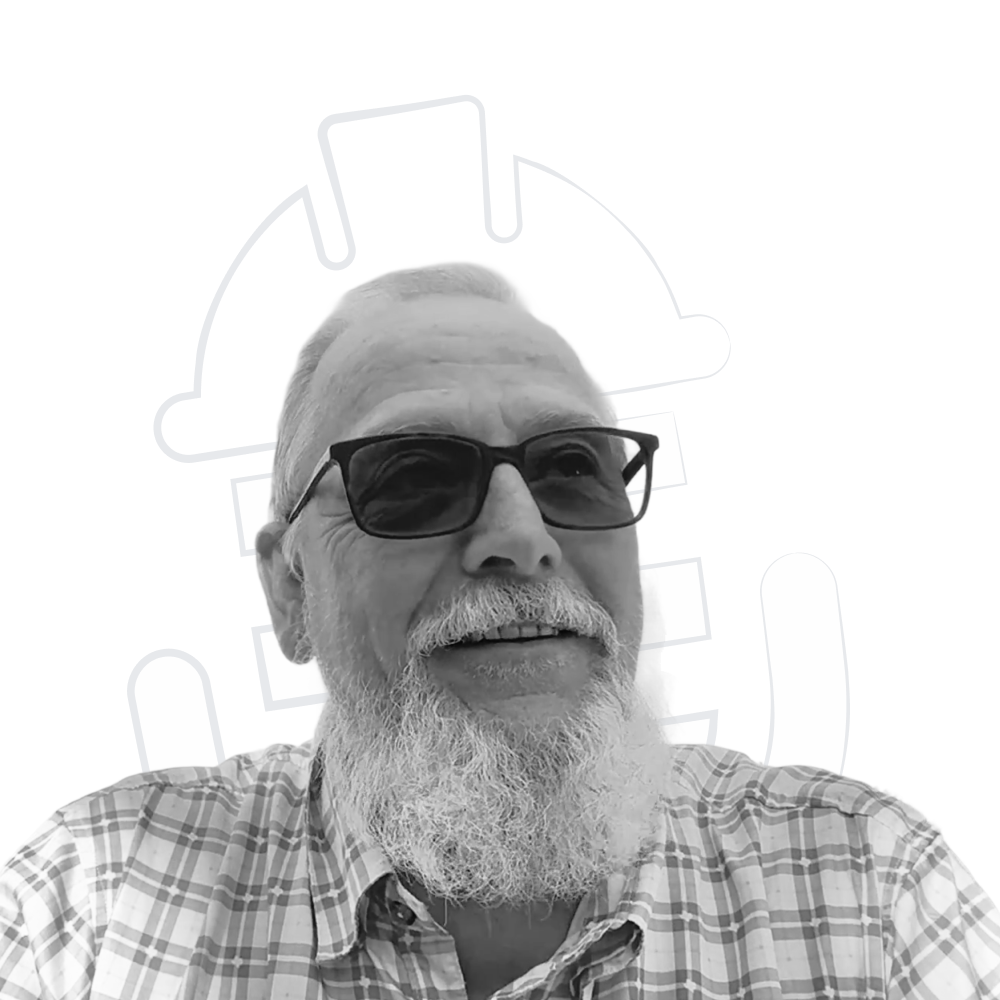
Hari Vasudevan (00:02) Welcome to a new episode of From Boots to Boardroom. I'm your host Hari Vasudevan, founder and CEO of Kyro AI. Previously, as many of you know, I was the founder and CEO of ThinkPower Solutions. Not every leader sits in a corner office. Our guest today is a living proof of that, right? Garland. Richard Garland (00:26) Yeah. Hari Vasudevan (00:30) From Boots to Boardroom shares the journeys of those who power America, from the job site to the boardroom, leading with grit, tenacity, empathy and vision. Hope you will find the show to be educational, entertaining, eye-opening and most importantly entrepreneurial. Presenting sponsor for the show is Cairo AI. digitized work, and maximize profits. For more information, visit chiral.ai. Today's guest is Rick Garland. Super glad to have Rick on the show. Rick is a lineman from IBEW Local 66 in Pasadena, Texas. His dad, Joe Garland, and brother, Joe Garland II. â“ We're all linemen in IBEW. Rick Garland, welcome to the show. So good to see you. Richard Garland (01:34) Yes, How you doing? Hari Vasudevan (01:38) Awesome, Awesome. Super, super great to see you. Seems like you're having a â“ good time in somewhere outdoors in California. Thanks for taking your time during your vacation. It means a lot to us and obviously our listeners and viewers here. â“ Richard Garland (01:50) Yes, sir. Yes, sir. Hari Vasudevan (01:56) Awesome. Awesome. All right. So, you know, let's let's give the listeners a little bit about. who Rick Garland is, right? Where you grew up, tell us a little bit more about your dad and brother Joe, who are all linemen, and how your personal life story, as well as your professional life story, right? How all that influences your decision-making today. Richard Garland (02:31) Well, got into, I was born in Canton, Ohio. Some people may not realize that, but went all through school down in Alvin, Texas. And that's where my brother and I, we, yes, yes, sir, yes, sir, yes, sir. And I've only been there one time, but it's interesting up there. So my brother and I, and know, the family, we grew up down there in the Houston area. And like we mentioned before, Hari Vasudevan (02:41) So Hall of Fame, Hall of Fame Canton, is that right? Same place, okay, all right. Richard Garland (02:59) I didn't know my dad was alignment. He did not bring work to the house. I had no idea really what he did. I know when he came down into Houston area, he was working with the Ellie Meyers company. Ellie Meyers came down, got established in the Houston area with him. And he was the district manager and all that until he passed away in â“ 79. My brother got into the trade, I want to say it was either late 77 or 78. And he was already in the apprenticeship before I got into the trade. I got into the trade in November of 79. And the funny thing was I was roofing houses at the time and I came home for lunch. And my then wife, she goes, oh, you work for Ellie Myers now. So what do mean I worked for Ellie Myers? Well, the guy who took Bobby Miller, who took my dad's position when he passed away, â“ they were needing help down at the South Texas Nuclear Project in Bay City. â“ they offered my mom a job for me and she accepted for me, which it actually had turned into a, you know, thanks mom, because it turned into a way better career than I ever would have had roofing houses. â“ So it worked out really. Hari Vasudevan (04:22) Although, although roofers make a ton of money. Richard Garland (04:25) Yeah, yeah, but you know, I did have a pretty good tan back then, but â“ no, it was pretty tough. â“ You got to own your own businesses if you're going to make a lot of money doing it, but it is a very good tough trade also. â“ So yeah, I found out over lunch that I was going to have to turn in my notice that I was not going to be roofing houses after that week and started â“ with Myers as a groundman grunt. Hari Vasudevan (04:39) There's no doubt about it on roofing. Yes. Richard Garland (04:54) as RL would say, â“ started down there at the nuclear plant in 79. And like I say, this is, â“ went all through the apprenticeship, two years as a groundman, four years through the apprenticeship program. And it just kind of worked away up the ladder, you know, as most people do, you know, something's presented to you, you know, you want to tackle it. Yeah, sure, I'll go do it, no problem. â“ But knew when to say when, you know. â“ But it led to a very good, very good career for myself and being able to take care of my family and others. It's been really good. Hari Vasudevan (05:36) Yeah, yeah, no, you know, let's go to the early days, right? So two years as a grand man, four years apprenticeship program. What are some of challenges you've you experienced in those early days? â“ Right. And â“ did you ever did you ever think, man, what did I get myself into? Richard Garland (05:55) Some days, yeah, some days like â“ we were pulling rope across, â“ we were doing a transmission line for at the time HLMP and it went across the Santa Santa River and all that up around Kingwood and such and we were flying in the two of the towers. Well, that's the first time I've ever seen helicopter work on a power line job, of course. I was only a fourth step apprentice, I believe, at that time. We're up there and it's going too slow trying to catch two towers at a time. So they combined everybody on one tower. So somebody's back bolting while somebody's catching steel. And the helicopter come in with the heaviest pick of the tower and he actually lost a motor coming in. He had two props. He has a two engine machine and lost one of the engines. Hari Vasudevan (06:45) cheese. Richard Garland (06:51) and he still tried to bring it up on and set the steel but wound up dragging it across the top. I was down at the back bolting area and most of the journeymen and one apprentice was up at the, you know, catching the steel and they'd come across and hit one of the apprentices. He, it didn't kill him but it was bad. And that was a day that I thought if I can, I'll try not to cuss. â“ that I thought, the heck am I doing? But it's also, it's also the day that I saw when everybody talked about brotherhood and all that. â“ that's when I saw it because I saw them journeyman run. I've never seen anybody able to run up and down inch and a half steel to get to that guy and hold him up, you know, in their shoulders and then hold him in place until, â“ They brought the helicopter crew, the life-like crew out. And then I saw a paramedic, whoever had a belt that fit him, he climbed, went on up that tower too. And it was a good, and I saw the good and I saw what could happen in this trade. it was still, it didn't scare me out of it, I just put it that way. I just saw how bad it could be and then how to handle it. Hari Vasudevan (08:18) Yeah, you saw how bad it could be. You saw how you could handle it. You saw the brotherhood of IBW. For those who may not know, the listeners who may not know what IBW is, could you educate them as what IBW is? Richard Garland (08:20) Yes. Mm-hmm. It is the International Brotherhood of Electrical Workers and â“ it's just the union side of this business. â“ I work around a lot of guys and I've hired a lot of guys from non-union side and â“ the union's good at â“ teaching and training, but I never dismiss the training and what the non-union guys could do too. So don't want to turn this into a union, non-union thing because there's some Pretty good hands, really good hands on both sides of the fence. But it's the union side of the business and it's, again, it's helped me have a really good livelihood. Hari Vasudevan (09:12) Yeah, people get trained well. They go to different halls and you know when there's a when there's work, you know employers come get people from â“ the local unions and they go to work and after the project is completed, you go back to the local hall and wait for the next project in return for that your. â“ I BW members get get obviously good wages â“ depends on the local. Richard Garland (09:14) Yep. Yes. â“ Yep. Hari Vasudevan (09:37) that is bargained as well as great benefits. that in a nutshell, is that a good way to put it? Richard Garland (09:40) Yeah, very. Yes. Yeah. You said it way better than me. But yes, it is. It's a very good benefit program and it's your insurance, your retirement, everything. It's nice and it helps you out. Yeah. Hari Vasudevan (09:54) Yeah, yeah, yeah, no. So that's good. So, you you touched base on the topic of how brotherhood helps and things like that. So I know you thank you so much for listening to â“ the previous episodes of From Boots to Boardroom. We talked about safety. We talked about, you know, human performance. We talked about, you know, Daryl talked about how â“ listening is more important in a meeting and things like that, all these different things. So tell me this, â“ did you take anything away from that early career moment, the importance of safety? I don't know, back in the day, if human performance was a thing in IBW or in the trade itself, what did take? Richard Garland (10:44) It is improved dramatically over the years. There was a time period in the, I want to say it was the mid to late 80s that I just wasn't happy the direction it was going. And â“ it's gotten a whole lot better and there's a lot of buy-in instead of people trying to push back. â“ You know, more people looking at the what could happen versus let's just get it done, part of the trade. â“ It's gotten way better, way, way better. But back in my day, I was fortunate enough to be around some pretty good linemen. And were they hardcore? Yeah. Did they put you in your place pretty quick? Yep. You learn to be quiet unless you really had a question. â“ The first pole I climbed, Hari Vasudevan (11:30) you Richard Garland (11:38) named Perry Pilgrim. He let me go up and cut the rigging loose and I asked him anything else. He goes, no, that's all you're qualified to do. Come on down. So I came on back down. â“ But there were some really good guys, but they put you in your place and but they taught you if you wanted. If you wanted to learn, they would teach you. But if you didn't want to learn and you were just trying to get a paycheck, yeah, it was they knew and they you weren't gonna be there long. You're about to you're about to change your mind or you're about to leave. So Hari Vasudevan (11:55) Yeah. Yeah, they knew. They knew and they put you in the spot, right? Yeah, yeah. Now to your point about the â“ evolution of safety, â“ before OSHA was established, this is a stat that RL mentioned â“ previously, one of the episodes was one in two people, linemen, expected to die on the job, right? It's nuts, 50 percent, right? And today the number is one in two thousand. It's still high, 0.05 percent. I mean, obviously you want it to be Richard Garland (12:08) â“ but. Mm-hmm. Yes. Hari Vasudevan (12:37) lower and lower as time progresses, right? But it's a drastic improvement to go from one in two to one in 2,000. It's a pretty significant number there. Richard Garland (12:38) Yep. Yep. Yeah. Yeah, it's still too many to happen. â“ Hari Vasudevan (12:51) Yeah, yeah, yeah. Yeah. Yeah, I know, you know, since you said it's one in too many, obviously it's too many. Right. I know you had a personal tragedy from that standpoint, your brother, the second, who â“ everyone I spoke to just is was just had such high opinion and praise of his skills and what he did â“ on the job as well as as a Richard Garland (12:55) But yeah. Mm-hmm. Hari Vasudevan (13:25) a human being, right? So, you know, if you don't want to talk about it, perfectly understandable. you know, â“ how did â“ this incident happen or accident happen for Joe? Richard Garland (13:39) â“ I think you might be getting it confused. It was my brother's son. The one, we talking about the induction? Yes, yeah, that was my nephew. That was another tough day when I had to call my brother and say, hey, where you at? You need to get over it pretty quick. â“ Yes, it was, â“ they were doing a routine job. That's what you want me to kind of describe what happened. Hari Vasudevan (13:47) Brother, son, okay. Yes. Yes. Yeah, yeah, yeah, yeah. Richard Garland (14:10) So it was what I would call a routine job changing out dead-end shoes on a transmission line and that's all they were doing. Now the bad part was it was a half-day outages because it was in the summer in the Houston area and it was just outside â“ what was then a â“ power plant. So you had a whole lot of lines coming out of there and a whole lot of induction. Lack of planning is the best way I want to put it, is what happened. â“ we were working it, they were working off ladders and they had already changed out one dead-end shoe and working on ladders, you know how you put all your rigging on your ladder and you just let it straight down to the next phase and the next phase. And they were only grounding one phase instead of all three phases, which was... â“ Total BS. So what happened was when they moved the ladder down to the middle phase, my nephew starts to walk out on the ladder and he's got a hold of the lacing of the steel right at the time he steps onto the ladder, which all the rigging and everything is steel. Steel, you know, chain hoist, cable sling, all that good stuff. And your ladder, most guys... Hari Vasudevan (15:09) Yeah. Richard Garland (15:35) the watch this or no, you know, got, you got to pick your ladder up higher than because when you walk out, you know, it's going to bring it down. Well, it was touching the phase and that phase wasn't grounded yet. So when he stepped off the ladder to let, to that and touch that steel, it got him. It got him. I got a call. We were having a meeting with the power company and I think it was a bi-weekly meeting and â“ the guy calls. Hari Vasudevan (15:49) She missed. Richard Garland (16:03) tells me and this is where the training has got a lot better for everybody to recognize what's happened, how to respond to somebody. â“ I got a call from the foreman and he tells me, know, â“ his name was Nick, Nicholas. He... â“ He says he got the crap knocked out of him, basically. I says, are all right? He goes, yeah, yeah, he's fine. So myself and the general foreman were going to go into meeting and I had a bad feeling. just, just, you know, you have that feeling something's not right. So yeah, yeah. So I asked the GFA, man, I can take care of this. Go out there. Cause they were like 30 minutes away. So man, go out there and see what's going on. I said, some don't feel right. So he got out there. Hari Vasudevan (16:38) You just had a bad feeling intuitively. Richard Garland (16:52) And then I'm sitting there kind of squirming, you know, and the power company guy told me, said, you need to go. I said, I think I do. So we headed out there. When I got there, they were trying to get the truck down in there to get him, you know, back it down into this gully, which we were, that's why we were working it off ladders, cause it was a mud hole. So, and that's what we did back in. We worked off ladders all the time. So anyway, we, I get there, they're still kind of running around. and everybody was in shock and I know that's what it was. They were in shock, they didn't know what to do, it's a crew that had been together. And he get up the tower and I helped him get him into the bucket. They got the bucket in there, I got up the tower to help get him into the bucket and it was too late. already had the induction, it was a whole lot of induction in that corridor that comes through there. So anyway, and it was all because of lack of planning after, know, when you, whenever you do an incident investigation, you're going to hurt some people's feelings, but you have to find the truth out or you will not fix the problem. It's going to happen again. And I probably ruffled feathers and so what, that's way it is. â“ But come to find out they showed up without a hand line. So then somebody's got to run to the yard, go get a hand line. And then, so the day's already starting late. Hari Vasudevan (18:03) Otherwise it's going to happen again to somebody else. Cheers. Richard Garland (18:20) because of lack of planning. And so, whether they felt rushed, I don't know, but there's no reason to rush things. mean, it's just, just get the circuit out the next day and you finish up the job. So, he his life over that and he was really, he was going to be a really good lineman too. But over, I want to say he was in his mid twenties. Hari Vasudevan (18:22) Yeah. Yeah. Yeah. Man, to hear that. How old is he? Cheese. Richard Garland (18:51) It's, it's, â“ yeah. And well, it's, â“ it's, you know what? My brother and I after that had a, you know, everybody has pet peeves and you know, one of mine is grounding. That was his too, it's cause it cost us. â“ and the kicker is the, the foreman knew the guy in the air knew. And even my nephew, he he'd been in it. I think he was fit step. â“ he knew, you know, to ground, but they were. Hari Vasudevan (18:54) Yeah, sorry to hear that. Crazy. Richard Garland (19:21) trying to get in a rush to get things done for absolutely no reason. Hari Vasudevan (19:26) know it's that's exactly what Jeff White â“ you know our HP â“ head who set up the HP program for Southern Company always used to say, hey slow down you don't have enough time slow down so that you can think through things properly don't let the outside pressure influence you and there's not outside pressure a lot of times it's self-induced too right so Richard Garland (19:46) Mm-mm. It is. is. I'm very careful when I go out on job sites because I don't know what it is. I mean, I try. I usually like to joke around and have a good time with everybody, but â“ people wonder why I'm there. So like if I know they're out there doing a major wire pull or some big, you know, I'll let them know if I'm coming out there or not, just so they can go, hey, I'm just coming to look, just see how you're doing. Don't get all nervous and wondering what's he looking at? What's he got? know? â“ Hari Vasudevan (20:15) Yeah. Yeah. Yeah. Now, no, thanks for sharing this, obviously, with our listeners, right? Because, you know, there's more discussion, open discussion we have about these things and experiences that others will have, you know, just allows everybody in the industry to kind of slow down a little bit, think about it and hopefully be just a little bit safer. Right. So so you were. Yeah. Yes. Richard Garland (20:21) Yeah, I don't know what it is. Yeah, I want to add something to that is don't let nobody rush you. No job is worth having to deal with something like that to lose somebody. No job at all. It don't matter. I tell our guys, if we didn't bid it well enough, that's not on you. You do what it takes to get the job done, get it done safe, because it's not worth it. And if I've tell some of these young guys, That I don't really want to say young guys guys I want to kind of cowboy things up a lot and I said if you've never had to deal with Something like this. You don't want to it's â“ it will absolutely haunt you It'll just sneak up on further bit it is Hari Vasudevan (21:24) Yeah, for the rest of your life, for the rest of your career, rest of your life honestly. No, you're right, honestly, if somebody didn't bid it properly, it's okay to lose money on the job as opposed to losing a life, right? Or getting hurt on a job because you can always make that money up down the road but you can't bring somebody back to life, right? Richard Garland (21:34) Mm-hmm. Mm-hmm. It is. It is. No, no, it's, once I got into the management side and saw what they look at as far as the cost side of it and to make you the field side, we want to go get it done. Not have to climb that pole twice, because everything's right. But sometimes you do got to sit back and slow yourself down a minute and get your head right and then go back to work. Hari Vasudevan (22:08) Yeah, 100%, 100%. Richard Garland (22:10) It'll pay. It'll pay every time to just slow down a little bit and take a look. Hari Vasudevan (22:14) 100%. So you are going back a little bit now, right? So you just completed your four year apprenticeship and then I kind of â“ went on a tangent to other stuff because of the free flowing nature of our discussion. So you did that, you finished your apprenticeship and keep going. â“ Richard Garland (22:27) Mm-hmm. Just finished the apprenticeship and you know, out of the back then you had to have 7,000 hours in the in your apprenticeship to top out and a thousand of it has to be the rubber glove or hot stick time. So mine lasted a little more than 4,000 because at the time there wasn't a lot of it was mostly transmission work out there. So I was a seven step apprentice. I don't know how long and when I finally came back to Houston and got put on a reconductor job. It was like six weeks, I got on my hot time and I was able to finally top out. And just, I did not want to be a foreman for several years because, you know, I had one lineman tell me that, you know, just because you top out tomorrow doesn't make you a journeyman. And that's something I would almost want to say to the younger lineman coming up is, You know, just a day before, you you might've topped out today, but yesterday you were a seventh period apprentice. You were an apprentice yesterday. Now you're, now you're a journeyman and your responsibility just changed because now you have to take this young apprentice who doesn't know anything and you had to keep them safe. So that's when class, I always would say it, class just began for you. That's why I didn't want to be a foreman for several years. And then when I felt comfortable with it. Hari Vasudevan (23:54) Yeah. Richard Garland (23:59) â“ They'll try to push that on you. They need to get some more seasoning as a journeyman before they take a position like that. Just saying, speaking out of Local 66, back then just a buck an hour wasn't worth it. You learn a whole lot more. I kind of wish I went traveling a little bit because later in my career I... Hari Vasudevan (24:11) Yeah, yeah. Richard Garland (24:26) I came out here to California for two years and just saw a whole different world that I wasn't privy to. I didn't have to deal with it back then. Well, did not deal with it, but I was used to our system in Houston. Hari Vasudevan (24:36) Yeah. It's different. mean, I know some linemen who kind of travel, know, Corey Haynes, know, J Vo, those guys, they've kind of traveled around the country. And, you know, the experience that comes with being a Johnny man around the country is something that, you know, you can't teach, right? Books can't teach, right? So, â“ Richard Garland (24:48) Mm-hmm. Mm-hmm. No, can't. Most of your experience is going to be on the job. Then I wound up taking a â“ formant's position, and I've been a formant on either distribution, transmission, underground. It didn't matter. I always would say as long as I could pay the bills and put food on the table, it didn't matter to me what we did. It really didn't. mean, it's, you know. Hari Vasudevan (25:19) So the extra block came with a lot of authority, but authority comes with accountability and responsibility, right? Serious responsibility, serious accountability. Richard Garland (25:32) Yes. Yeah. Yeah. If you really, if you really look at what the, â“ your foreman's position in my opinion is the most valuable position that you've got on your crews, because that is your first line of defense. they're going to let somebody do something. Hari Vasudevan (25:51) Yeah, yeah, yeah, no. Richard Garland (25:52) stupid or not. That's a technical word for me, but do the wrong thing. They're the ones that are there to stop that from happening. And that is the position too. Hari Vasudevan (26:04) Yeah, yeah. So you know, you kind of already alluded a little bit to advice to young people as to, â“ you know, what they should ideally do, right? â“ I would categorize you as an old school guy. mean, your looks give it out to me, right? What is the difference is that you see old school as this new school, â“ you know, people moving up. Richard Garland (26:18) Mm-hmm. Hari Vasudevan (26:31) little too fast in their career. I mean, it's also a function of demand, right? The demand is high. What you take on that? Richard Garland (26:33) It. I see a lot of the younger guys. Now, don't get me wrong, there's some guys as soon as they top out, they can handle it. They can do a really good job of it. I think a lot of guys don't realize what the position really is. They don't realize that you are the final call on the job at the time. And it doesn't matter if your buddy wants to do it this way or another way, you're the one that has to make that decision. We'll go with that or we won't. And some of them can't deal with that. Some of them are really good at it. â“ The pressure, some of them don't want to tell somebody what to do. They'll just soon do it themselves, â“ which kind of defeats the purpose. it's. Hari Vasudevan (27:19) Yeah, so let's let you know if I may interject there, right? So I want to. There are three categories you mentioned. One is some of them who â“ you know who really get it. OK, so these guys get it right. â“ Some of them they don't want to â“ teach somebody else. We have a problem there. You need to. You need to â“ teach them to speak up and â“ delegate work so that you â“ develop more qualified people. But what about the ones in the middle who? Richard Garland (27:44) Yes. Hari Vasudevan (27:49) who are just not qualified enough, but who just move up too fast. What's your concern with that? Richard Garland (27:56) My concern is their their GF, you know, you always have a general foreman or some sort of a supervisor above them that, you they have to know also what work that person can take on, right? â“ And what their their what their qualifications are. â“ You have it all the time. You know, this crew, here's your A team, B team. You know, this guy's good at hot stick and this guy's good at backyard work. â“ this and you got to know your the general foreman you get into that position he has to know what that foreman can do and that will help either a young foreman succeed or fail I mean if you put a young guy that's you know suddenly you're putting him on a bunch of three-phase underground transformers and stuff and he's never messed with it before and it's well you're the foreman you got you got to figure it out you're setting him up to fail but â“ yeah I would just advise young guys to Hari Vasudevan (28:51) Yeah. Richard Garland (28:54) just take a little bit of time after you top out, become a journeyman. Just take a little bit of time and just see what it's like. Take on that lead lineman role â“ to take some pressure off of your foreman and just kind of take on that a little bit and that'll show you whether you really want the headache or not. Some guys decide they'd rather not mess with it. â“ But there's... Hari Vasudevan (29:20) Yeah. Yeah. Richard Garland (29:24) I've seen some really young guys handle things. I my brother, they did that to my brother. He topped out and they made him a foreman. Now, â“ one of the challenges that he dealt with was the older linemen having to, you gotta have their respect to do the work. You just can't suddenly, hey, yeah. Hari Vasudevan (29:29) Just some. report up to him. Young guy reporting. Young guy had to report to this guy. It's almost like in a, you know, in a football analogy, if you will. Right. â“ You may or may not be a football fan, but I am a huge football fan. Right. So you have somebody like Patrick Mahomes who sat behind Alex Smith for a year. And then the next year he was ready to be a quarterback. Right. Because he sat in the quarterback room. He knew what a veteran. quarterback was doing getting ready. Same thing with this â“ guy in Baltimore Lamar Jackson. Some of these really good young quarterbacks who sit behind a veteran for a year or two Aaron Rogers, right behind Brett Farr. So you have these guys who sit behind veteran quarterbacks and then you know they get ready to learn. They learn the game from a veteran and then they're ready to go when their time comes. It's no different than that. Richard Garland (30:23) Hmm? Hari Vasudevan (30:41) what you're saying, is that fair? Richard Garland (30:42) Yeah, yeah, exactly. Don't be pressured into taking a position. Sit back and learn a little bit and get, know, once you become a journeyman, if you're working for somebody you really don't care to, you can actually move on to another crew or to another company and get your, find your comfort spot and learn from the older guys. When I came up as an apprentice, I tell a some of these guys, said, I never listened to the other apprentices because I figured they didn't know any more than I did. Cause you know, I'm learning how do you know more? You've been in the same amount of time. So I listened to a lot of the journeyman, the older journeyman and that if, if they're a good journeyman, they'll teach you. They'll teach you cause somebody taught them. Somebody took the time. It's, it's, it's, it's part of the trade and â“ Hari Vasudevan (31:15) You It's part of the trade at end of the day, right? Part of the trade. Richard Garland (31:39) That's what I would tell the younger guys. Just don't feel pressured to take that position just because they need to put another crew on for the power company. If you're ready, by all means do it, but don't be scared to ask questions. know, know what's, what's that game show, call a friend. Don't feel bad that you got to call somebody. Hey, what do you think about this? You know, I, I call somebody, I've called somebody before here recently, just say, what do you, what do you think about this? Hari Vasudevan (31:56) Yeah. Richard Garland (32:08) It doesn't hurt to get another opinion, but â“ just don't be pressured. But if you're ready, take it on. Hari Vasudevan (32:14) Yeah, I mean, everybody's wired differently, right? So carrying on the same quarterback analogy, mean, analogy, you have young quarterbacks who from day one, they're great, right? But that doesn't mean sitting behind a veteran is a bad thing or taking your time. We all mature at a different pace in life. We all learn at a different pace. â“ So, know, it showed this demand, right? So demand for alignment, right? Richard Garland (32:16) Yeah. Hari Vasudevan (32:43) is insane, right? The number of line... It is fixing to be scary. I was at an Edison Electric Institute conference where somebody from IBW had come and spoke. if I remember my number is right, I think, you know, they were saying they need 80,000 new Richard Garland (32:46) It's fixing to be scary. Yes it is. Hari Vasudevan (33:13) â“ linemen per year or something like that. It's a pretty insane number if you will. That threw me off actually. Because you have AI coming in, data centers, new build out of transmission line, distribution line, all kinds of things coming up. So what's your take on the demand for linemen? As RL put it on my show here, today they're flipping burgers, tomorrow they're in a line school learning to be linemen. Which is good, obviously you want people to grow out of fast food, entry level jobs into something better, but obviously it comes with a little bit of maturity. What's your concern about all those things? Richard Garland (33:56) My biggest concern slash worry is somebody coming into the trade and being pushed through, pushed along just because of the need for the lineman. Well, let's just push him through training. mean, let's not weed him out. And I hate to say it, I mean, not everybody's meant for this trade. it's just because of the, let alone the physical demands of it, the mental part of it, you have to have your head on right when you're... when you're working. And, you know, I was fortunate enough to work close to home through my career. Of course, Houston being as big a city as it is, I was able to work most of the time. So I didn't have to travel as much as everybody else. I actually am traveling more now in a position I'm in than I had to when I was in my tools. â“ But you knew when somebody wasn't meant to be in it. And my worry is people may overlook that just to fill a position and it's going to cause problems. It's going to, hey, my brother-in-law wants a job. He's, you know, he got laid off and tire shop and he's, you know, I think he'll be a good lineman and next thing you know, he's in the air working and it's, he doesn't have the training. don't, that's my worry. It's, yeah. Hari Vasudevan (35:17) Yeah, yeah. No, that is a very valid concern. And, I was just I just pulled out my notes from the EI meeting. â“ What they said was 80,000 electricians are needed each year for the next 10 years. This is by the I.B.W. one of the head honchos there. Right. so you you talked a little bit about the qualified, less qualified people. What does the trade need to do need to do to continue to make sure that we have qualified people, highly qualified people? Richard Garland (35:44) Well, it is don't skip on the training side of it. Again, don't just bring somebody in and just push them along. â“ If you got somebody that's, what's a good way to put that? Don't forget what got you to where you are. Don't let your standards down. Don't let your qualifications, what you think they need to have to do this work. Don't let that slide just to fill a roster on a crew. Hari Vasudevan (36:02) Yeah. Richard Garland (36:15) on our own job. That's the best way I could say to put it. We deal with manpower right now trying to man up the little bit of work we're doing right now. it's going to be tough. It really is. Hari Vasudevan (36:15) Yeah. Yeah, it is going to be tough. But you know, the challenge with â“ compromising a little bit on your â“ training, safety, HP, all these things is you may not see the impact of it today because you may get lucky. But at some point, the odds of something coming and affecting your crew or project or a customer, the odds increase, the odds of an accident happening increases, the odds of a fatality, serious injury increases. That's the serious concern. Is that right? Richard Garland (36:45) Mm-hmm. Yes. Yeah, yes, yes. And the men in the field that are doing the work now, they're going to have to really be on their game to help bring those folks along that don't have the knowledge of the work. And not saying they can't be good and be even great linemen, but or operators. mean, operators is a very challenging position to somebody that can run the equipment in the size of the. structures and everything, getting the right people in every part of this trade. It's not just linemen. It's every bit of it. But just don't be prepared to take a little bit of patience and train somebody, but don't be afraid to weed them out. If they're just don't need to be in this work, you're doing them the favor. Yeah, and you're not doing them a favor just by just pushing them for crew to crew. It just is what it is, you. Hari Vasudevan (37:41) Some people can make it, some people just don't make it. You know, actually I say this in my companies all the time. â“ When you when you when you're â“ compromising on the quality of people you have, you're actually doing a disservice to others in the company, to your customers, to your investors. â“ All this just to keep one guy happy. It is better to just read out that weak link. so that your overall company is strong, right? This is a tough call. People don't want to make tough calls, but when you don't make tough calls, somebody has to â“ pull up the slack and somebody has to make up for the weak link out there. And that can only go so long. And it can go for a reasonable amount of time because you have a very strong crew and nine out of the 10 may be very strong so you can get by. Richard Garland (38:23) Mm-hmm. Yeah. Hari Vasudevan (38:50) But the moment that weak guy goes to a different crew with already a couple of weak guys, you're asking for failure to happen at end of the day, right? Richard Garland (39:00) Yeah, we ran into that back in the early to mid to late 90s in Houston as we were rolling seven days a week and it was all transmission and you know, it was a lot of work, a lot of wire going on, a lot of poles being set and â“ we brought in what's called the TEX, you know, the transmission TEX. Now some of these guys, they're usually from the non-union side, they came into the union, you know, and that position was back They had that position back in the 70s when all that transmission work was going on and you couldn't find the hands. Well, we ran into this exact same thing. So because some of our apprentices, well, a lot of our apprentices actually knew more than some of these guys that were making more money than them. And of course, the apprentices wanted to quit the apprenticeship. Well, you know, that way you make the money and we wouldn't let them quit because, hey, you know, eventually one day, you you get that journeyman's ticket and I'm speaking on the union side. You get that journeyman ticket, that yellow ticket in your pocket. You can go anywhere in this country you want to go. Now, and you can tackle anything you want, energized work, non-energized, versus some of the other guys that, you know, they're only here because the work's booming, right? â“ But we ran into that, less challenged guys coming in making more money because you're having to take it for their word or for their buddy that says what his skill level was. You know, it's Hari Vasudevan (40:03) Yeah. Yeah. Richard Garland (40:28) I've kind of dealt with it back then, so I know it's coming. Hari Vasudevan (40:28) Yeah, that's where the ticket makes a difference, You want somebody else to... Richard Garland (40:33) You know, again, I do not want to slight anybody that's not on the union side because there is some, and I'll use the word, there are some badass hands over there. You know, you got good hands, union, non-union, you got bad hands, and it's just a person. But I know we dealt with this back in the 90s, and I know that time is coming again. Hari Vasudevan (40:59) Yeah, yeah, no, it's already there, my friend. So let's talk. It's already there. It's already there. You know, â“ how would you mentor and encourage kids, right, of different backgrounds, if you will, to pursue a career in the line trade? What would you say to a 20 year old kid? Why would â“ he or she pursue a career in the line trade? What's your pitch? Richard Garland (41:03) Yeah, well, I didn't want to it, but it is. Well, I'll use something that actually happened one day. I had a guy coming over to put propane into our propane tank at our house. And it was a young guy. And he was looking at our property. And he goes, man, one day I hope to have this. And I said, well, it takes a lot of work to get it. And it wasn't no mansion or nothing like that. I was on five acres. You know, took me out my whole career to get to that. â“ But he asked me how the type of work we did, or I did, and I told him what it was. He didn't even know it. He didn't know what that type of work was. And I explained to him what it was all about. You know, like, you know, there's opportunities and, â“ but it takes doing this type of work. And I'd explain what the work was and the physical side of it, the mental side of it, and being away from home, which I know is, it's a... It's tough. It's tough being away from home. You got to be be ready to go to work when you don't want to go in to go to work. Right. And I've had that conversation with more than one person that wanted to want to be a lineman but didn't know what it was. And we'd explain to him what it was. â“ Yeah. That's a good it was a very good living. â“ It can be very rewarding. You and you'll. It sounds like a commercial. You make it what Hari Vasudevan (42:43) Yeah. Yeah. It is the commercial. Richard Garland (42:54) You make it what it's going to be for you. It's a very good trade. It is a very tough trade. Whether you're in a vault doing underground or you're up on top of a tower or flying on a helicopter. It's a very tough trade, it will give you, you'll get as much as you put into it, but it is a tough trade. Hari Vasudevan (43:17) But it's a fulfilling career, right? Richard Garland (43:19) Yes it is. It has been. It's been a really, really good career. I'm glad I didn't stay roofing houses. Hari Vasudevan (43:25) Yeah. That's a good one. So, you know, it's a good one. You thank your mom for that, right? Michael, I thought that... Richard Garland (43:30) Yeah, hey. Yeah, when I see her again, if I go upstairs, I'll see her again and I'll let her know. Thanks, Mom. Hari Vasudevan (43:44) Yeah, yeah, I know, you know, I don't know if you've seen the Michael Jordan documentary. What is that? The Last Dance. I saw that. You saw that, right? Where, you know, honestly, the history of the history of Michael Jordan, history of the sneaker business, history of Nike, it all changed, honestly, by Michael Jordan's mom, right? The push to actually nudge rather to sign with Nike. So Richard Garland (43:52) Yes, I did. Yep. Hari Vasudevan (44:14) We all have our moms to be thankful for. So, all right. So, you know, let's get a little bit into the impact of AI in the business, right? So we already see this, the impact that AI is having on data centers, the build out of data centers, which means more transmission lines, more distribution lines, which means more work for the... Richard Garland (44:18) Yeah. Yeah. Yeah. Hari Vasudevan (44:44) Trade, I mean, it's like nuts, right? Because â“ the amount of power that is needed to power the thirst of these data centers, nobody really knows, but everybody knows it's gonna be crazy high, right? You see, know, â“ states like Ohio, Virginia, and all these places, power bills going up because, you know, consumers having to pay for some of these data centers getting built. for Google, Amazon, all these places. But let's not get there. The crux of the question is, what is your take on the impact, potential impact of AI in our business, in the line trade and the utility business itself? Richard Garland (45:28) Let alone the workload that you just spoke about. â“ Where I see the benefit, and I'm not an IT person, like I said, I was barely able to get onto this show for you. â“ But â“ where I see it's going to be a huge benefit is to help out the engineering division, engineering departments. There's so much work and there's only so many of those people too that are trying to... to â“ get these jobs designed and workable and out the door. And then it's going to help out the, I would think the companies that are building the materials and everything, help streamline operations. That's where I see the benefit of it is. I mean, and I'm a simple lineman, but. â“ Hari Vasudevan (46:10) Yeah. But you know, do you guys on the line side, do you guys ever stop trying to â“ help the engineering team? I'm an engineer. You always know what's going to help engineers, right? You guys know better than the engineers. Richard Garland (46:27) No, no, no, no, it's â“ just speaking from my the workload that I've tackled over the years is, is it's engineering has a lot on their plate and everybody wants to get on them about why in this job ready to go and why did you it, you know, put yourself if you do put yourself in their shoes a little bit, you'll find out it's you're you're you're not sitting there at that Etch-a-Sketch like I use and just trying to work something out. There's a lot to it. â“ But it's, â“ I had a guy, my wife and I, we live down toward Corpus and we go to this place called Water Street. And there's a guy that's, he was a bartender and he was â“ an engineer. He's going through the engineering school and he asked me, know, what could I tell him? You what could I advise him on? I'm surprised he asked the question, but I said, don't. Don't disregard what the people in the field suggest or mention. Somebody may walk by with kind of a sly, you may think it's a... silly comment to you but it's just try not to in your business by it but like hey that's not gonna work take a look at that a little bit we're not trying to down you but that's not gonna work don't don't don't disregard the people in the field that they know uh-oh Hari Vasudevan (47:45) Yeah. Yeah. Yeah. You know, I want to really get there because Daryl Harmark really beautifully eloquently â“ talked about it in my show. What has been your experience working with engineers? You know, engineers, I mean, me included, right? Go to school, have a graduate degree, go EIT, PE, multiple states, you think you know it all, right? I I definitely am not wired that way. But, you you come out of school. â“ What has been your experience working with engineers? What's your pet peeve? How can engineers... Richard Garland (48:11) Mm-hmm. Hari Vasudevan (48:20) develop a better working relationship with guys like you. Richard Garland (48:25) come out in the field sometimes. I think a little bit of time in the field to just see. We bid a job and we were doing it over towards Shreveport and we're walking the line and the engineer is looking at the wood H frames and going, man, these are bigger, you know, in life, in real life. And I'm thinking, crap. But yeah, just come on out in the field a little bit. Take a ride through, just see what it's all about. And know, and it would do some line hands. â“ Hari Vasudevan (48:45) you Richard Garland (48:54) to go in there where they're at and just see what they have to do. So yeah, just a little bit of field time just to come out and see what they're designing. But other than that, I've not had a whole lot of issues with engineers. So just try to talk to them. Yeah. Hari Vasudevan (48:57) Yeah. Yeah. â“ Have a better appreciation. Yeah, have a better appreciation for people in the field. Have a better appreciation for the challenges in the field. Have a better appreciation for constructible issues because when you build something, it's not, rather when you design something, it's not something that always going to be 100 % going to be built that way because you don't know what the challenges out there in the field are. So if you spend some time in the field, which honestly I was very fortunate to do that early in my career, which helped me later on. Richard Garland (49:36) Mm-hmm. There we go. Hari Vasudevan (49:38) â“ that really helps. Would you not agree on that? Richard Garland (49:40) Yeah. Yeah. yeah. yeah. I mean, it, it, it'll make the project managers happy because it'll be less change orders. â“ you, bet a job and don't realize you're, in a swamp and like, well, you know, you, you designed it for, you know, totally different setup and that's not going to work. â“ yes, yeah, yeah, it will. Some contractors are mad because I just cost them some change orders, but sorry about that. there's plenty of work coming guys. Hari Vasudevan (49:48) Yeah. Yeah. It'll help the American economy, right, by being more efficient. Richard Garland (50:11) â“ Yeah, that's what I think. I appreciate each other's side of the business. Hari Vasudevan (50:17) Yeah, yeah. you know, going back to AI, I was having a chat with our common buddy, Corey, the other day. He was up in Idaho. He was driving with his wife for their 25th anniversary dinner. And, you know, here he is talking to me, right? I'm like, dude, I'll hang up the phone. But anyway, he was talking a little bit about AI and how he thinks it's going to impact the line trade by Richard Garland (50:25) Legend. Hari Vasudevan (50:46) significantly improving estimations, right? â“ What's your take on Richard Garland (50:53) Just like what I just mentioned, mean, you can get out here and see, this is not going to work, so I know I can get a change out of them later. But they tell you to bid it out as it's drawn, so OK. â“ Yeah, I would think it'll make the jobs more efficient and things should roll in. Again, I think it needs to be that way to get the work done that's Hari Vasudevan (51:18) Yeah, what about storm response, right? â“ You know, if AI is able to where the storms are and help pre position crews help predict which fuse is going to go off, you're able to do a little bit better management and things like what you take on. Richard Garland (51:37) If it's able to, and maybe I'm overthinking this, but maybe if it's able to understand what the system that it's about to hit, what condition it's in, how much maintenance has been done on it, do we have a bunch of rotten poles? Is this â“ a system that everybody's just waiting for the storm to hit it so the government can pay to fix it? It could help prepare that, help â“ maybe understand. Understand the material that might be needed. I don't know. I don't know how I could predict other than â“ Maybe narrow down where the storms are coming in at and time frame and strength â“ Yeah, it looks like it's really coming in here and yeah, yeah Hari Vasudevan (52:09) Yeah, yeah, yeah. get crews pre-positioned, right? Because you're able to send out messages faster, alert them faster. Yeah, yeah. So get your roster built out faster and things like that, right? So that's the efficiency piece out there. Richard Garland (52:28) Yeah. And knowing if it's coming into â“ a metro area or into a wooded area or swampy area, like, â“ that way the contractors know what to roll in there with and to get locked down with the rental companies. Hey, we know it's coming in here. We know the terrain in here. We're going to need this, this and this. â“ you know, one of the biggest and again, material, one of the biggest Problems with storm and you get a lot of a lot of crews a lot of manpower in there and they want to go to work They want to work â“ Is your you're waiting on material? You're sitting there waiting. Nobody wants to hold material because it's cost of money on taxes. I mean Yeah, there's it's it's that's that's what helps hurt storm response right there. It's not the guys I mean the 66 people dealt with a lot of bad press last year with that storm Hari Vasudevan (53:13) Yeah, No, you're right. Richard Garland (53:27) People don't realize a storm hit before that one and got the ground all wet, right? So trees are all just, not, when you have a pine tree not snapping off, but blowing over, the ground's wet. So, and it just blew on over. mean, AI could help predict stuff like that, but yeah. â“ Hari Vasudevan (53:34) Yeah. Yeah, 100%. Honestly, in Houston, they're doing it now where they're able to predict which fuse is gonna have an outage with almost a mid 80 % accuracy. And they're able to pre position crews, send VM crews just before the storm hits so that you're able to get the storms done. And you know, the other key aspect of, you know, this done years and years of storm is to putting a roster together where I think AI can really help us. Hey, a storm is gonna hit, let's, I live in Plano, a storm is gonna hit Plano, Texas. We need 300 people coming to this area, 300 linemen. We're gonna put a crew of, I don't know, 20 crews of different categories of people. It's all coming together. I think that's exactly where there's a lot of potential â“ for efficiency, if you will, right? So, yeah, so, yeah, so. Richard Garland (54:37) Yes, agree. Hari Vasudevan (54:42) So what is, you know, as we kind of wind down, right, what is something that you're really proud of, your single greatest achievement that you're proud of in your career that you want to share with everybody here? Richard Garland (54:56) Well, I'm going to try to leave names out. But in my time period when I went to start a company between in 2014 and I left in 2020 was Mesa Line Services. And we had it in mind as we... Hari Vasudevan (55:11) Yeah. I know, Mesa. We worked with you guys. Richard Garland (55:16) Yeah, I'm trying to watch what I say here. I'm only speaking from 2014 to 2020. We had built something that I felt proud of because we had people that wanted to come work. They knew we did not want them to cut corners. We had our share of incidents as it was. I mean, it's just there's no, we weren't perfect, but you know, knowing that the hands A lot of hands they wanted to come and go to work. Of course, a lot of guys, you know everybody's traits. This guy needs seven days a week. This guy only wants to work 50. You know, when they'd call or I'd talk to them, I would tell them what type of work I had and give them a heads up. if you know, I may not have what you want. If you want to come, come on. But this is what I have. I wouldn't trick them into showing up for work. you know, it's a, I'm proud that we had a, we built. the company that a lot of people wanted to come work at. And that's one of my biggest things right there. And I've been able to take care of lot of my family and family members with this trade. Hari Vasudevan (56:25) Yeah, yeah. And you know, that's an important point I want to really hit upon is importance of passion for your work and family, kind of in your family, kind of blends together because, you know, a lot of your alignment, right? What's your, how important it is for you, family and work for you. Richard Garland (56:36) Mm-hmm. I wish, look in hindsight, I wish I'd have, you I missed, you you and RL were talking about that, about being away from home and, you know, the strain on the families. I wish I'd have spent more time at home. â“ And again, with me being working in the home, the local area, just the hours, you know, 60, 70 hours a week, bringing in the paycheck, bringing in the money to live the livelihood that you wanted to live. I really wish I could have. just sat back a little bit more and spend a little more time at the house with the kids and stuff. yeah, like that. mean, again, you make the trade what you want it to be. And, know, hindsight, I wish I was able to stay home a little bit. Hari Vasudevan (57:26) Yeah. Yeah, yeah, no, fair enough. mean, you worked hard, you made a good living, but you sacrificed quite a bit. you know, it's always tough to pull that balancing act off, right? Richard Garland (57:48) It is, it is, and it's, but it could be done. I you know, let people off when they need to take off. You know, when they have something coming up, don't be a, just understand what it was like for you coming up and help others out, guess. Probably saying that completely wrong, but there we are. Hari Vasudevan (58:06) Yeah. Yeah. Yeah. Yeah, no, no. What is the, you know, in such a long career that you've had, always, I'm sure, have had your fair share of challenges, failures, learning experiences. What is something that you want to share with our audience and viewers here, listeners and viewers? Richard Garland (58:21) Mm-hmm. Yeah. Well, you know, I kind of mentioned it earlier about the, you know, the accidents that happen and the toll that it takes, let alone on the family that it happened to. I mean, just yesterday I was told of a friend of mine's son who, he got burnt just two days ago. And I'm not going to say much more about that because it's early, but I mean, and he's a good young journeyman. I mean, it could happen. â“ but you may have to edit this one because I got a lot of strength and thought on that one, but it's just. Hari Vasudevan (59:07) Yeah. Safety. mean, at the end of the day, let's call it safety, Safety. mean... Richard Garland (59:07) Yeah, safety, safety, safety. Yeah, just, just, just safety. Hari Vasudevan (59:16) Yeah. Yeah. No, honestly, I listen, I mean, I didn't get you honestly, you were so natural about it. At end of the day, it's about safety. You cannot overemphasize safety. We talked about how it went from one and two to one and two thousand. But in this same, you know, we're about 59 minutes into this interview here. We've shared two personal experiences that you know of, one obviously fatal, your nephew and the other one here. Richard Garland (59:16) You got me on that one. Hari Vasudevan (59:45) but right so â“ you can never over emphasize on safety and that's a really good way to put about it right so â“ yeah so let's Richard Garland (59:54) It's tough to hear about anybody. It don't matter what part of the line trade they're in. They're all part of the same field you're working in. If it doesn't pull on you a little bit, your heartstrings, I guess is a word to say, to know that somebody else got hurt and to try to find out what happened. So it doesn't happen again. I mean, if you don't feel for the family, it's, I don't know what's wrong with you, but it's a tough trade and it could be very rewarding or extremely horrible on somebody. Hari Vasudevan (1:00:37) Yeah, No, you know, the things that you talked about in the quick discussion we had about AI, one of the things that RL and I talked about and Jeff White and I talked about was how potentially AI could humanize the line trade. And what we talked about was, you know, RL has over the years â“ seen a clear trend of younger workers getting hurt more often, â“ but not you know, the seriousness of those injuries are a little less, right? Older workers get often get hurt less often rather, but you know, the severity is much higher, right? And it goes into human performance as well because you're an autopilot when you're a seasoned employee, lot of things you do all the time repeatedly because you're an autopilot, you don't think enough, right? So where I think AI also has a huge role in the line trade is honestly to humanize construction, to humanize the line trade, which is, hey, you yourself alluded to the fact that you work 60, 70 hours a week. You didn't get to go back home too often and things like that, right? So, you know, if you can get a nudge to say, hey, it's time to call your kids or time to call your family or, you know, time to take a break and go back home a little bit or cook the barbecue, all those things can actually be helpful because Richard Garland (1:01:56) Hmm? Hari Vasudevan (1:02:03) you know, like that Apple watch that people are wearing. I don't wear one, but people wear and kind of gives you that nudge. I think it'll help a little bit. That's one of the things I see where it can humanize construction, if you will. Yeah. Richard Garland (1:02:15) Yeah. No, I agree. I agree. It's â“ people got to know when to when you're doing this work, not to you kind of have to leave home at home. The older lineman that I told you I listened to back in the day, that was that was some of the better advice is when you're at work, you need to have your mind on work and not at home. If you got some going on at home. Maybe you don't need to be here today. â“ Just to keep them out of trouble, keep them safe. â“ Some guys just tell me, hey man, suck it up, sometimes they can't. Sometimes you gotta recognize and that's where it comes into these young foreman or any foreman being your first line is he's gotta be able to recognize if his crew's good to go that day. And if they're not, plan the day differently. If not, shut it down. â“ Hari Vasudevan (1:03:09) Yeah. Richard Garland (1:03:12) You don't have to try to push through it. If your crew is not right, or somebody on the crew isn't right, you need to take the time to see what's, you know, most guys, you know, they're not going tell you their personal stuff, but you can tell when somebody's mind's not where it needs to be. If somebody, you've worked with them for a while, you can tell when they're, you need to go get them off to the side and talk to them off to the side. You know, some guys, you get embarrassed talking around other people, but just, hey, man, I've had it too many times in my career. Hey, what's going on? Are you okay? And just, hey man, go to house, don't worry about it. And most of the guys will be worried about being paid. Well, don't worry about it. You go take care of that, we'll take care of you. And yes, bosses out there in the world, it happens. You have to take care of your people in the field, because that's who I, where I'm at right now, I'm, other than working for my brother, I'm worth a really good boss. And he, Hari Vasudevan (1:03:43) Yeah. Yeah, yeah, no. Honestly, safer for everybody. Richard Garland (1:04:12) He understands where the money's made at and it's in the field. And he's all about taking care of the people, watching over them, make sure they're good. So you gotta do that, it can be done. You can make money doing it. Hari Vasudevan (1:04:20) Yeah. Yeah. Yeah. So hey, let's get into rapid fire questions now, right? Man, â“ my goodness. I totally forgot to hit the record button here. Richard Garland (1:04:32) No officer, I didn't do it. No. sorry. This whole time? This entire time? Hari Vasudevan (1:04:47) You're okay with that? Yes. Can you do it again? Richard Garland (1:04:54) for the whole meeting. Hari Vasudevan (1:04:56) Yes, I just got you man. I know you get people with your pranks all the time. I got you my friend. Richard Garland (1:04:59) Wow, you wait till next time I see a DOS. Yeah, you did get me. That was a very good one. I mean, you're gonna put me to the dark time and there's gonna be some bears coming out of here. You gotta deal with my wife. That's all I gotta tell you. Let's go. Yeah. Hari Vasudevan (1:05:04) Okay, alright. I did getcha! I did getcha! â“ Okay, okay. All right, rapid fire questions for you. College sports, pro sports. Richard Garland (1:05:30) Well, like I said in the beginning when me you talked, we watched the double A team down at Corpus Christi â“ for the Astros. I kind of like that in between there. I guess you'd say the college level up. â“ I prefer that. Hari Vasudevan (1:05:46) Yeah, yeah. I you said your wife is Astros fan. She likes the Astros. You know, I did go to the World Series. Philly's Astros World Series in somebody I went with super, super nice enough to get me this beautiful member of Blu-ray. And I actually went to the World Series back in 2018 too. Maybe one of our common customers in TNMP and I went to the 2022 at Centerpoint. So. Richard Garland (1:06:03) Mm. Yep. Hari Vasudevan (1:06:16) So that's good. â“ So let's talk about college, not college. What's your take? I you've been to the Lion's Dade, you've been phenomenally successful. Richard Garland (1:06:21) I I tell some people that don't let it hold you up if you just because you don't have college time â“ But if you plan to go into the management side if you even remotely would want to work so far Into this and then go into management go take some business classes and stuff like that I really wish I had that kind of training because you know, I know what I I'm okay at doing and I know what I'm not. And that's where the team comes into play is getting the right people to do the right job. It's not a deal breaker, but if you're looking to be more than just somebody in the field, you know, take some night courses, something like that. Hari Vasudevan (1:07:05) Yeah, helps learning about business, helps learning about fundamentals of finance and accounting, helps learning a little bit about marketing, helps learning about some basic business principles, right? Customer service, putting a great product out there. lot of these things come naturally to people, but it's good to have a little bit of formal education just to make sure you kind of smoothen out those rough edges, if you will. Richard Garland (1:07:15) Yes. Mm-hmm. Yeah, yeah, yeah, cuz it takes both sides to actually run a company. It's not just the guys in the field and you gotta have that back office and the support. If not, they don't get paid, but anyway, yeah. Hari Vasudevan (1:07:44) Yeah, yeah, yeah. So, you know, you've just been elected â“ president of America, President Garland, right? â“ What is the one thing you're going to do, President Garland? Richard Garland (1:08:01) You know, I watched those other shows and I always wondered what I was going to ask that didn't sound selfish. But I would actually have to say, and it's a worry of mine, because where I'm at in my career is make sure Social Security and insurance is there for the people that have worked their butts off, that it's going to be there. â“ That's my big, big worry point right now is getting to that position to be able to just step away and Hari Vasudevan (1:08:08) Thank you. Richard Garland (1:08:31) and complain about the guys being in my backyard turning my power off. â“ Making sure that everybody's got their retirement that they put into and they've got insurance. They don't have to battle, they don't have to worry and that would be my biggest thing I would have to say. Hari Vasudevan (1:08:36) Yeah. Yeah, no fair point actually, fair concern. Honestly, if your generation doesn't have it, mine certainly wouldn't have it. Richard Garland (1:08:53) You're screwed. Yeah, I'll use a good technical word. You are screwed. Hari Vasudevan (1:08:58) â“ Okay, all right. Now Rick â“ Garland, obviously what a pleasure to talk to you about the line trade. Thank you for your seriously generous â“ time you spent. You're out there on vacation in California and I know right behind you there's a black bear just watching over you. Don't worry about it. Richard Garland (1:09:01) Sorry about that, but yeah. Yes, sir. Hari Vasudevan (1:09:28) Right? But I appreciate the... I appreciate the time, my friend. I appreciate the time. Richard Garland (1:09:32) I'm trying to find my runaway, get away from him. I'm too damn old to run. He's just going to have to eat. Yeah. Yeah. No, one last thing is just everywhere I've ever been. It's, it's the team of people that's been put together. That's made it made everything come together. mean, us old linemen, I don't know if the young linemen have the phrase, but you know, you run across that. Lyman that says he knows everything. Well, you need to be careful around that guy. He doesn't really know everything. Build your teams accordingly and everything will work itself out, I guess. Hari Vasudevan (1:10:03) Yeah Yeah, honestly, that's applicable for anything in life, right? Everything you do in life, so it's not just the line train, but it's great advice, parting advice to everybody. So Rick Garland, honored to have you on the show, pleasure to have you on the show. Thank you so much, my friend. Richard Garland (1:10:13) Yeah. Yes, Yeah, thank you, Vera. Thank you.